Industrial, Commercial, & Institutional Organic Waste Recycling
Overview
Industrial, Commercial, and Institutional Organic Waste Diversion
Regulation Changes and Incentives in 2026:
Between now and October 2026, the RDCK will be working to implement new Organic Waste Disposal Regulations targeting the Industrial, Commercial, and Institutional (IC&I) sector. Our enforcement of the bylaw will be focused on larger generators and operations, such as big grocery stores, busy restaurants, and major institutions, but we want to make sure everyone is aware of the changes and encourage participation early.
These changes will only impact those operating in and around the communities of Creston, Castlegar, Nelson, and Salmo, coinciding with the locations of our facilities that accept and/or process organic waste.
Eventually, most IC&I operations that generate organic waste in these communities will be required to separate this material from their garbage to avoid expensive tipping fees.
What’s Changing?
New bylaw definitions and fee structures have been included in the 2026 Resource Recovery Facilities Regulatory Bylaw. Beginning with this notification, there is a 9-month “grace period” where the bylaw has been updated but is not being enforced.
- In September and October 2026, the RDCK will begin auditing loads of garbage originating from large generators in the IC&I sector at landfills and transfer stations where separated organics disposal exists. Up to four “warnings” per customer will be issued, letting customers know organic waste was found in a load.
- After these warnings, haulers disposing of loads of garbage containing more than 10% compostable organic waste will be subject to a Variable Tipping Fee, set at double the mixed waste rate (about $350/tonne).
- Commercial organic waste will continue to receive a subsidized disposal rate of $55/tonne. That means it’s 68% cheaper than landfilling currently, and over 80% cheaper once new variable rates are in place. Commercial haulers can access this reduced rate. If you are a business who self-hauls their waste, you can access this rate but will need to set up a commercial account with us ahead of time. Reach out for more info.
RDCK will focus on education and providing support before enforcement begins. Now is a great time to start planning for organics recycling in your operations. Contact local haulers to enroll in collection services or find other methods of diversion.
What is Organic Waste?
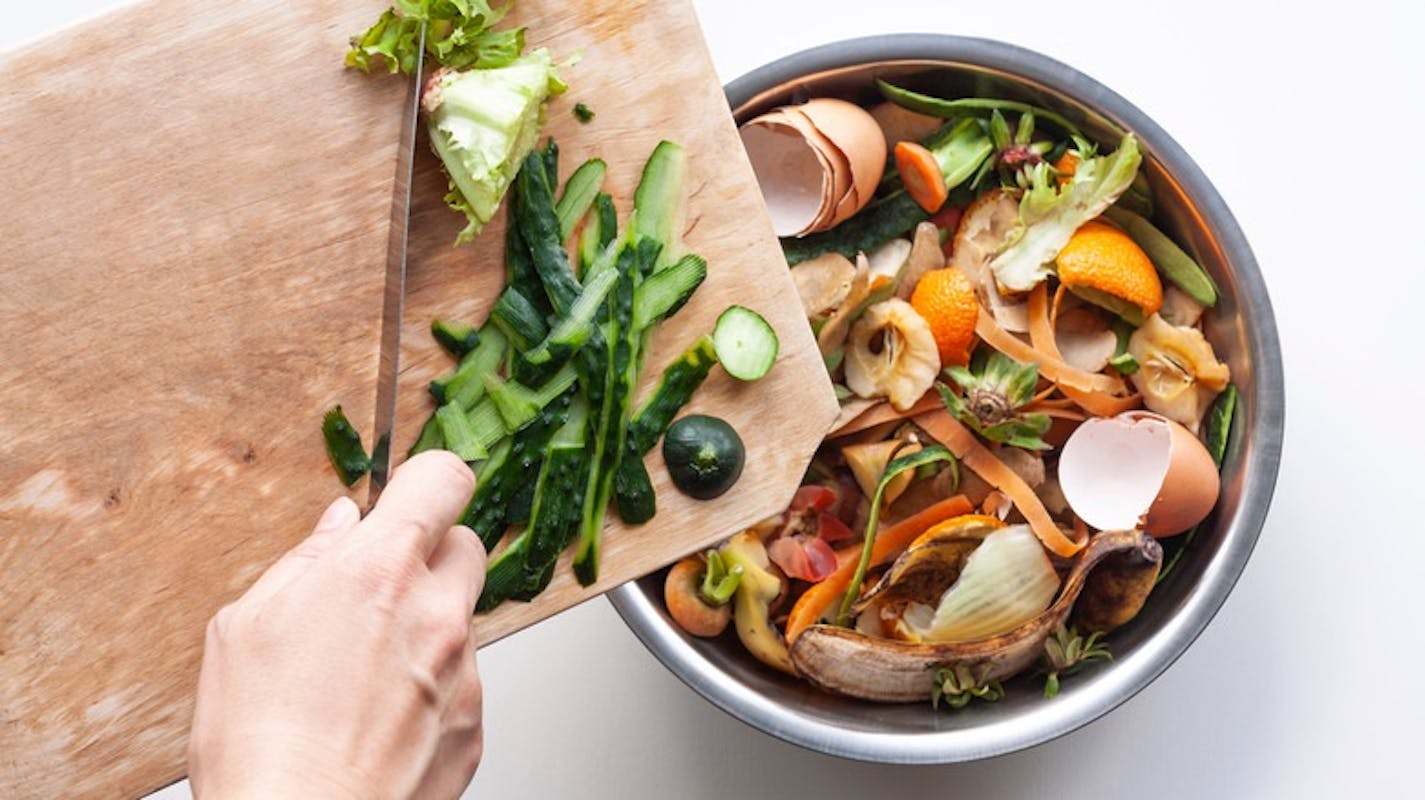
Compostable organic waste includes:
- Food waste, spoiled foods, and food-soiled paper/cardboard
- Both plant and animal products (including meat, small bones, dairy, and cooked food)
- CERTIFIED COMPOSTABLE packaging, utensils, and bin liners (must have logo and meet RDCK requirements – confirm compatibility before using)
Why This Matters
In the RDCK, the IC&I sector sends about 3,900 tonnes of compostable material to landfill each year—roughly 35% of all commercial garbage. Diverting this waste from landfill is important because:
- Our landfills have limited lifespans. Diversion extends the operating timelines for these costly sites. New landfills are impossibly expensive.
- It reduces harmful environmental impacts. Landfilling organic waste is pollution. It creates potent greenhouse gases and toxic runoff (leachate) that must be managed.
- It can save you money in the long term and improve your business’s sustainability profile.
Existing Services and Incentives
Organic waste can be disposed of at: Ootischenia Landfill, Grohman Narrows Transfer Station, Central (Salmo) Transfer Station, and Creston Landfill.
- It’s turned into Class A Compost for farms and residents at RDCK’s commercial composting facilities in Salmo and Creston.
- A $400 rebate for the purchase of bins and supplies is available for businesses in affected communities. Limited number of rebates available. First come, first served.
- Commercial haulers are available now to provide separate organic waste collection. Contact local haulers or your service provider for pricing and options.
Support Available
RDCK staff can help with:
- Waste sorting signage and implementation guidance
- Support with collection setup and connecting to hauler contacts
- Rebate applications – email us to confirm eligibility
Resources
Commercial Waste Sorting Signage
Commercial-Waste-Sorting 8x11
Commercial-Waste-Sorting 11x17
Commerical Sorting-Landfill
Commerical Sorting-Organics
Commerical Sorting-Recycle-ALL
Commerical SortingRecycle-CardboardPaper
Commerical Sorting-Recycle-Containers
Commerical Sorting-Recycle-3 Categories
Commerical Sorting-Recycle-RefundableGlass
ICI Organics Rebate Documents
ICI Organics Diversion Rebate Program
Industrial, Commercial, and Institutional Organic Waste Diversion
Regulation Changes and Incentives in 2026:
Between now and October 2026, the RDCK will be working to implement new Organic Waste Disposal Regulations targeting the Industrial, Commercial, and Institutional (IC&I) sector. Our enforcement of the bylaw will be focused on larger generators and operations, such as big grocery stores, busy restaurants, and major institutions, but we want to make sure everyone is aware of the changes and encourage participation early.
These changes will only impact those operating in and around the communities of Creston, Castlegar, Nelson, and Salmo, coinciding with the locations of our facilities that accept and/or process organic waste.
Eventually, most IC&I operations that generate organic waste in these communities will be required to separate this material from their garbage to avoid expensive tipping fees.
What’s Changing?
New bylaw definitions and fee structures have been included in the 2026 Resource Recovery Facilities Regulatory Bylaw. Beginning with this notification, there is a 9-month “grace period” where the bylaw has been updated but is not being enforced.
- In September and October 2026, the RDCK will begin auditing loads of garbage originating from large generators in the IC&I sector at landfills and transfer stations where separated organics disposal exists. Up to four “warnings” per customer will be issued, letting customers know organic waste was found in a load.
- After these warnings, haulers disposing of loads of garbage containing more than 10% compostable organic waste will be subject to a Variable Tipping Fee, set at double the mixed waste rate (about $350/tonne).
- Commercial organic waste will continue to receive a subsidized disposal rate of $55/tonne. That means it’s 68% cheaper than landfilling currently, and over 80% cheaper once new variable rates are in place. Commercial haulers can access this reduced rate. If you are a business who self-hauls their waste, you can access this rate but will need to set up a commercial account with us ahead of time. Reach out for more info.
RDCK will focus on education and providing support before enforcement begins. Now is a great time to start planning for organics recycling in your operations. Contact local haulers to enroll in collection services or find other methods of diversion.
What is Organic Waste?
Compostable organic waste includes:
- Food waste, spoiled foods, and food-soiled paper/cardboard
- Both plant and animal products (including meat, small bones, dairy, and cooked food)
- CERTIFIED COMPOSTABLE packaging, utensils, and bin liners (must have logo and meet RDCK requirements – confirm compatibility before using)
Why This Matters
In the RDCK, the IC&I sector sends about 3,900 tonnes of compostable material to landfill each year—roughly 35% of all commercial garbage. Diverting this waste from landfill is important because:
- Our landfills have limited lifespans. Diversion extends the operating timelines for these costly sites. New landfills are impossibly expensive.
- It reduces harmful environmental impacts. Landfilling organic waste is pollution. It creates potent greenhouse gases and toxic runoff (leachate) that must be managed.
- It can save you money in the long term and improve your business’s sustainability profile.
Existing Services and Incentives
Organic waste can be disposed of at: Ootischenia Landfill, Grohman Narrows Transfer Station, Central (Salmo) Transfer Station, and Creston Landfill.
- It’s turned into Class A Compost for farms and residents at RDCK’s commercial composting facilities in Salmo and Creston.
- A $400 rebate for the purchase of bins and supplies is available for businesses in affected communities. Limited number of rebates available. First come, first served.
- Commercial haulers are available now to provide separate organic waste collection. Contact local haulers or your service provider for pricing and options.
Support Available
RDCK staff can help with:
- Waste sorting signage and implementation guidance
- Support with collection setup and connecting to hauler contacts
- Rebate applications – email us to confirm eligibility
Questions
Ask a Question
You must be logged in to ask a question.
Q: Good Afternoon Terry and I have two apartments in Castlegar, BC. We have been approached by Waste Management, for composting. Could you please let me know what grants, etc, there are for Business owners, from RDCK, for we are having an extra expense and not able to collect from tenants . This is very concerning due to the Bear problem, there is in the area, and many people are not Bear Aware. Your prompt attention to the matter is greatly appreciated. I can also be reached at 250-231-2555. Thank you Mariella Ius
Hi there, Thanks for the question. At this time, multi-family housing such as apartment, condos, or larger strata that have private waste collection are not subject to the RDCK's regulation on organic waste disposal for the Industrial, Commercial and Institutional Sector. However, participation is encouraged for multi-family owners and operators as organics diversion is an important action to improve waste disposal practices, and we'd be happy to help sort through logistics and challenges. Please give us a call, or send an email to organics@rdck.ca for direct support. Certainly bear considerations are forefront. Separated organic waste needs to be managed to prevent bear access - as we presume already happens with this waste when it goes in the garbage. There are many factors to consider, and if you are wanting to pursue organics collection for you apartments, please be in touch further to discuss some strategies and options. Thanks, Matt Morrison Organics Coordinator
Ask a Question
You must be logged in to ask a question.
Q: Good Afternoon Terry and I have two apartments in Castlegar, BC. We have been approached by Waste Management, for composting. Could you please let me know what grants, etc, there are for Business owners, from RDCK, for we are having an extra expense and not able to collect from tenants . This is very concerning due to the Bear problem, there is in the area, and many people are not Bear Aware. Your prompt attention to the matter is greatly appreciated. I can also be reached at 250-231-2555. Thank you Mariella Ius
Hi there, Thanks for the question. At this time, multi-family housing such as apartment, condos, or larger strata that have private waste collection are not subject to the RDCK's regulation on organic waste disposal for the Industrial, Commercial and Institutional Sector. However, participation is encouraged for multi-family owners and operators as organics diversion is an important action to improve waste disposal practices, and we'd be happy to help sort through logistics and challenges. Please give us a call, or send an email to organics@rdck.ca for direct support. Certainly bear considerations are forefront. Separated organic waste needs to be managed to prevent bear access - as we presume already happens with this waste when it goes in the garbage. There are many factors to consider, and if you are wanting to pursue organics collection for you apartments, please be in touch further to discuss some strategies and options. Thanks, Matt Morrison Organics Coordinator